How Warner Bros. Discovery Is Creating Value Out Of Dead Air With Pause Ads
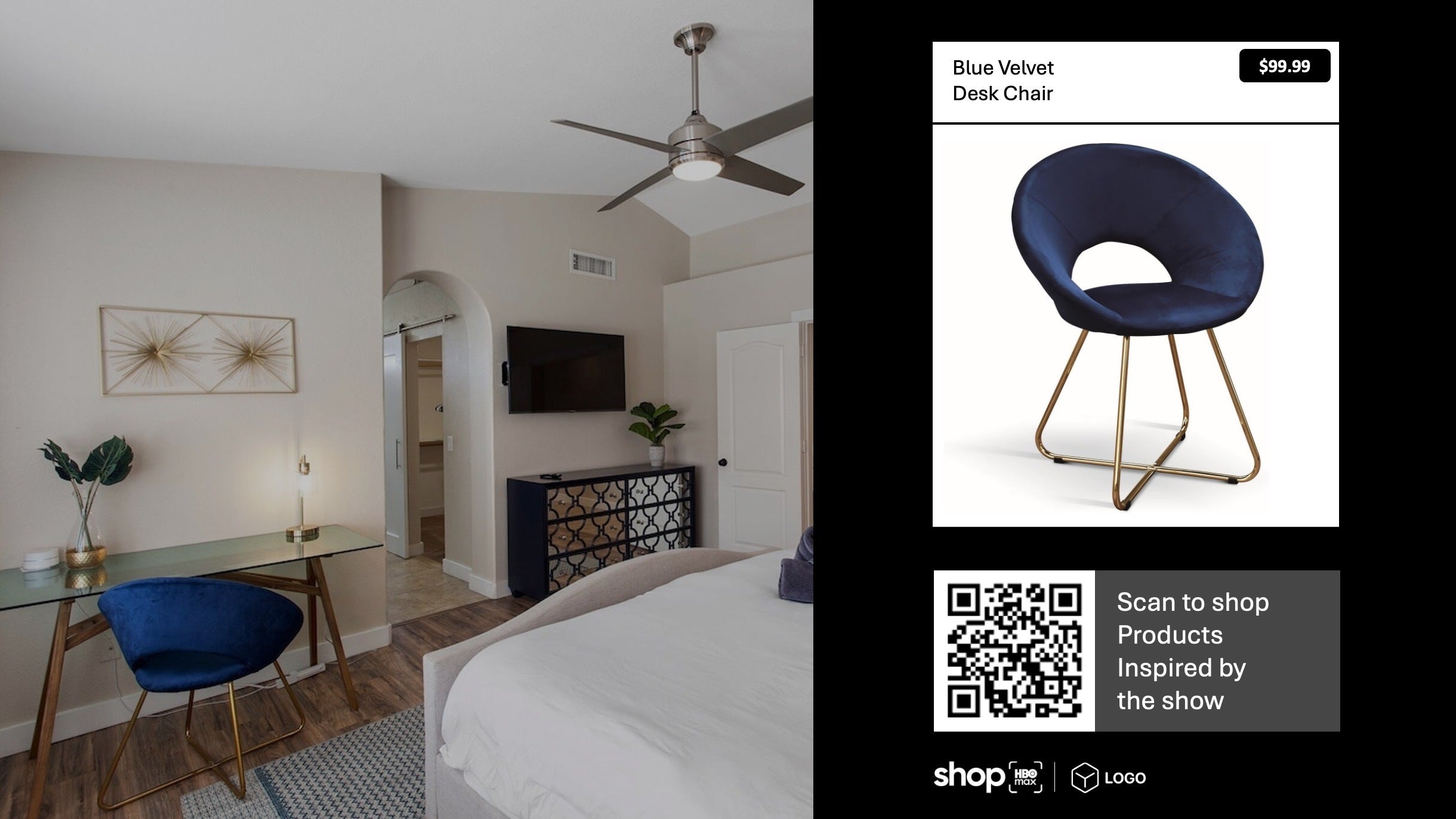
From pause ads to home screen ads, new streaming ad formats represent ways for publishers to carve out ad supply from dead air. Pause ads are “creating new ad space” where it didn’t already exist, said Scott Rossman, VP of product marketing at Warner Bros. Discovery, in an interview with AdExchanger. But these ads are more than just a way for publishers to monetize a paused screen, he said. When viewers divert their attention from a show or a movie, it’s an opportune moment to show them an ad.Pause ads are promising because they are part of a user-initiated experience, which is arguably more user-friendly than interruptive commercial breaks. But in reality, many viewers did not appreciate pause ads when they first started cropping up. Users expressed annoyance with TiVo’s early pause ads, and some called the ads an obnoxious money grab. A quick Google Search inquiring what TiVo’s pause ads looked like prompted the AI Overview’s chatbot to ask me if I needed help disabling them.But recent industry research suggests some consumers have become more receptive to pause ads over time. Roughly 67% of Gen Z and millennials prefer a pause ad over a frozen screen, according to a study by DirecTV and Magna. Rossman also cited a survey from the Video Advertising Bureau, with 51% of respondents taking some sort of an action after seeing a pause ad. Among the actions these respondents reported taking: searching an advertised product online (22%), saving information about an item for future reference (15%) or visiting a brand’s social media page (15%). But for advertisers, consumer receptivity isn’t enough to invest. Buyers require programmatic standardization and more proof of performance first. AdExchanger spoke with Rossman to discuss what the future holds for pause ads, both within and beyond WBD. AdExchanger: When it comes to pause ads, why does advertiser adoption still lag publisher momentum? SCOTT ROSSMAN: Pause ads have existed for some time, but as an industry, we are still in the early innings. Some challenges include difficulty in forecasting performance because consumers are in a different mindset when they initiate an ad break versus being interrupted by one. Plus, many publishers have different pause ad formats unique to their own platforms. The promising part is recent advancements in pause ad capabilities, such as targeting and shoppable features, which are helping advertisers drive and prove performance. How does WBD approach pause ads? On WBD inventory, pause ads blend into the programming with a softer gradient overlay so that viewers can still see the content, rather than having pause ads completely cover or replace what was on the screen. If ads look too different from what someone was just watching, the disparity can feel jarring and cause viewers to click away. Behind the scenes, though, we are focused on making pause ads more sophisticated.We first launched pause ads on HBO Max in 2022. Fast-forward to shoppable pause ads, which we announced during upfronts in May. These shoppable ads follow upgrades to contextual targeting capabilities, allowing advertisers to place ads in specific scenes with a relevant tone or atmosphere. For example, if a beer brand wants to align itself with content that captures the essence of travel and adventure, we will be able to help them show up in scenes that depict people outside on vacation, such as relaxing on the beach.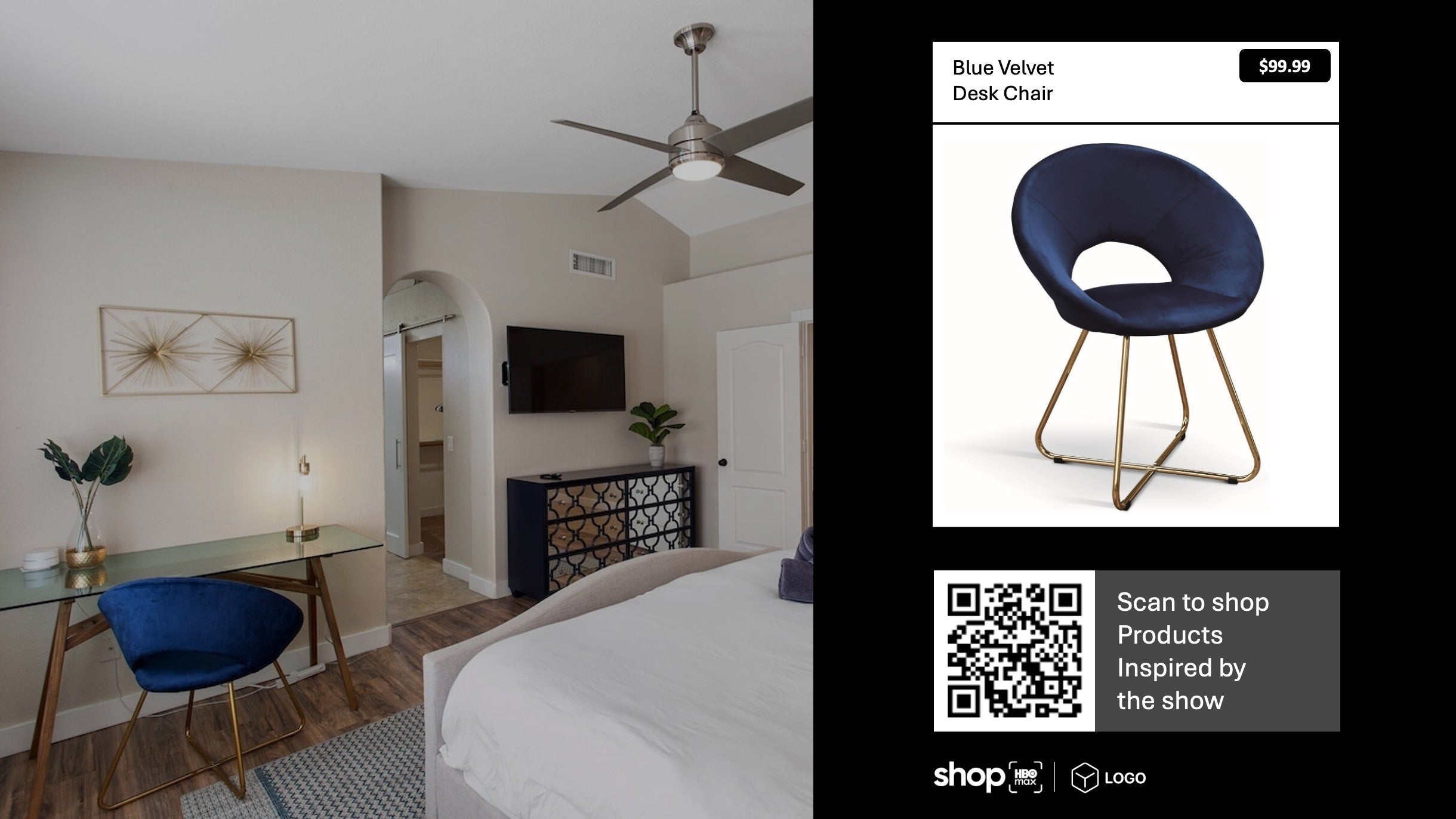 Wait – what makes pause ads shoppable, other than QR codes?WBD’s shoppable pause ads are more interactive and much more relevant to what a viewer is watching at the moment they pause their content. If a viewer is interested in a shirt or other item of clothing that an actor is wearing on-screen, for example, they will be able to hit pause and enter an interactive ecommerce storefront where they can click through different products and proceed to checkout. We will display the exact item if a given advertiser is working with us, or, if not, we would suggest similar products. [Editor’s note: WBD expects its shoppable pause ads to be available later this year.]How are agencies and brands actually buying pause ads? For WBD, buyers are mainly securing our pause ad supply through direct deals.As for programmatic, we are working on that. It is a goal of ours, but, as an industry, we have to first align on industry standards. Standardization must cover creative details from size and pixel count to programmatic signaling in the bidstream. [Editor’s note: The IAB Tech Lab is working on that standardization now. It recently proposed programmatic spec and signaling updates that were open to public comment until last month. The organization is now reviewing the feedback with working groups and has not yet integrated the updates.]How might standardization complicate WBD’s ability to sell shoppable or standard pause ads for direct versus programmatic buyers? Interoperability plays a big role in whether or not advertisers invest in new formats or technologies.Ideally, we would have two different types of pause ads in the future. One type would be a more standard pause ad that buyers can easily access programmatically for quick reach and scale across platforms. The other would be the more custom collaborations we create with marketers. For example, if a brand wants to sponsor “Game of Thrones,” we can help that brand create a custom pause ad integrating a product with our IP, which pairs well with classic commercial breaks throughout the show. Either way, another thing marketers really care about is having options.Speaking of buyers, how are they treating pause ads: as more of an upper- funnel or lower-funnel investment? Right now, marketers are looking at streaming pause ads as more of an upper-funnel play. But this may change as pause ad capabilities advance and advertisers see improved results over time. Pause ads perform: Some recent studies we’ve done at WBD suggest our standard [not shoppable] pause ads drive over 200% lift in website visits compared to industry benchmarks [according to data from Disqo].After all, the more relevant a pause ad is to a viewer, the more likely that ad will be a performance driver for the advertiser. What do you think? How do you feel about pause ads: love ’em or hate ’em? Let me know your thoughts! Hit me up at alyssa@adexchanger.com. Wait – what makes pause ads shoppable, other than QR codes?WBD’s shoppable pause ads are more interactive and much more relevant to what a viewer is watching at the moment they pause their content. If a viewer is interested in a shirt or other item of clothing that an actor is wearing on-screen, for example, they will be able to hit pause and enter an interactive ecommerce storefront where they can click through different products and proceed to checkout. We will display the exact item if a given advertiser is working with us, or, if not, we would suggest similar products. [Editor’s note: WBD expects its shoppable pause ads to be available later this year.]How are agencies and brands actually buying pause ads? For WBD, buyers are mainly securing our pause ad supply through direct deals.As for programmatic, we are working on that. It is a goal of ours, but, as an industry, we have to first align on industry standards. Standardization must cover creative details from size and pixel count to programmatic signaling in the bidstream. [Editor’s note: The IAB Tech Lab is working on that standardization now. It recently proposed programmatic spec and signaling updates that were open to public comment until last month. The organization is now reviewing the feedback with working groups and has not yet integrated the updates.]How might standardization complicate WBD’s ability to sell shoppable or standard pause ads for direct versus programmatic buyers? Interoperability plays a big role in whether or not advertisers invest in new formats or technologies.Ideally, we would have two different types of pause ads in the future. One type would be a more standard pause ad that buyers can easily access programmatically for quick reach and scale across platforms. The other would be the more custom collaborations we create with marketers. For example, if a brand wants to sponsor “Game of Thrones,” we can help that brand create a custom pause ad integrating a product with our IP, which pairs well with classic commercial breaks throughout the show. Either way, another thing marketers really care about is having options.Speaking of buyers, how are they treating pause ads: as more of an upper- funnel or lower-funnel investment? Right now, marketers are looking at streaming pause ads as more of an upper-funnel play. But this may change as pause ad capabilities advance and advertisers see improved results over time. Pause ads perform: Some recent studies we’ve done at WBD suggest our standard [not shoppable] pause ads drive over 200% lift in website visits compared to industry benchmarks [according to data from Disqo].After all, the more relevant a pause ad is to a viewer, the more likely that ad will be a performance driver for the advertiser. What do you think? How do you feel about pause ads: love ’em or hate ’em? Let me know your thoughts! Hit me up at alyssa@adexchanger.com.
 |
 |
By Alyssa Boyle
|
| Partner content |
|
|
Comscore Wants To Make Buying Podcast Ads Feel More Like Buying CTV Or Display
Comscore is adding Spotify, SiriusXM, Triton Digital, Acast and Libysn to its Proximic targeting solution to build brand-safe, contextual audiences for omnichannel campaigns.
Continue Reading ▷ |
Creative Plus Performance Equals Less Ad Waste, Says The Corcoran Group
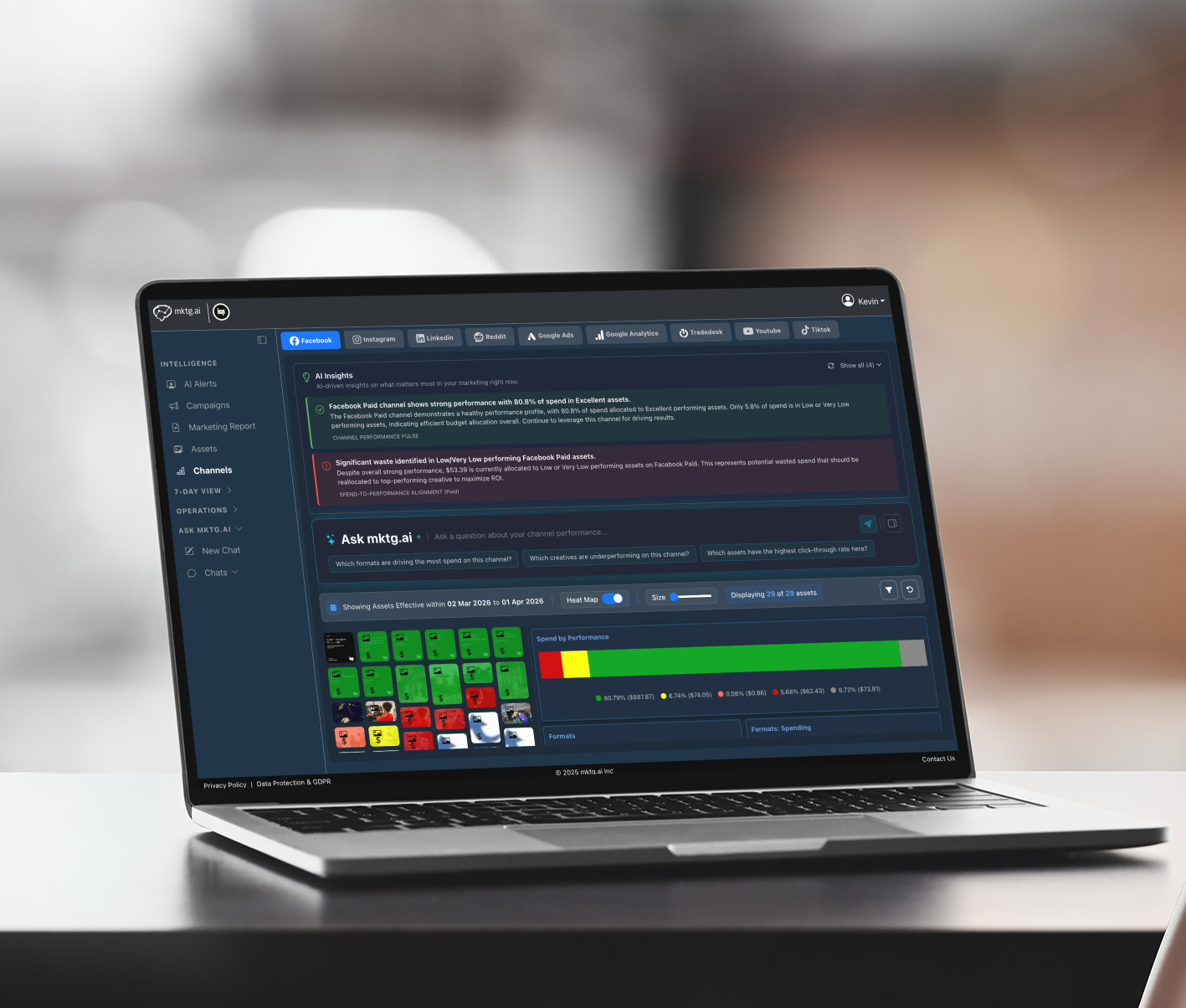
For marketers, just knowing that an ad performed isn’t good enough anymore. To better understand the why behind ad performance, luxury real estate firm The Corcoran Group tapped an AI-based startup called mktg.ai.
Continue Reading ▷ |
| Partner content |
|
|
| In The News |
|
The Writers Guild of America wants to halt Paramount Skydance’s proposed merger with Warner Bros. Discovery – now.
- The WGA West and WGA East filed for a preliminary injunction in federal court in Oakland Wednesday, arguing the deal must be halted before it closes — because once it does, it can’t be undone.
- The guilds sued last week on antitrust grounds, warning the combined company would control 35 percent of the market for writing services and wipe out direct competition between two rivals that writers depend on to bid against each other.
- The guild also addressed the fact that the delays would cost Paramount $7 million per day past the Sept. 30 deadline. The WGA’s response: that’s a penalty Paramount agreed to, so it’s not their problem.
- The WGA’s action runs parallel to the lawsuit recently filed by 12 state attorneys general, which already scored a 14-day restraining order on the deal. The guild wants to sync up with that case or get its own fast-tracked timeline.
- The Bottom Line: The WGA isn’t waiting to see how the merger plays out — it’s trying to kill it before the ink dries.
Paramount did score a win on Wednesday — the European Commission greenlit its merger with WBD, clearing the antitrust hurdle after the company agreed to unwind its United International Pictures film distribution joint venture with Universal Pictures in Europe within 13 months of closing the merger.
The FCC is putting broadcasters on notice: skip a presidential address, and it could cost you your license. FCC Chairman Brendan Carr said Wednesday the agency will factor ABC’s decision to pass on airing a live broadcast of President Trump’s July 16 election security speech into its ongoing review of licenses for eight ABC-owned stations.
- Trump’s speech included claims that U.S. elections were “rigged and stolen” and that China illegally accessed millions of voter files to manipulate the 2018 and 2020 elections. These allegations have not been substantiated.
- Trump called out both ABC and NBC during the speech for declining to air his remarks live, renewing his threat that the networks should lose their broadcast licenses as a result.
- At a Wednesday press conference, Carr said the FCC’s open proceeding on ABC’s license renewals — which evaluates whether the stations have operated in the public interest — will likely surface concerns about the network’s choice not to air the speech.
- “When you have the president of the United States standing inside the White House delivering an important speech, I think that’s something that broadcasters should be carrying,” Carr said, adding the FCC will hold all broadcasters to that standard.
- The ABC license review dates back to April, when the FCC’s Media Bureau issued an accelerated reapplication order for the network’s eight O&Os — a move that came shortly after Trump called for the firing of Jimmy Kimmel. The FCC has cited its investigation into Disney/ABC’s DEI practices as the basis for the early review.
- The Takeaway: In a politically charged environment, the stakes of every programming call just got higher.
Hollywood vets have gone vertical. Jeffrey Schenck, Barry Barnholtz and Peter Sullivan — the trio behind Netflix hits like “Secret Obsession” and Hallmark’s “Christmas Under Wraps” — launched VertTV, a subscription app serving up snackable, cinematic micro-dramas shot vertically for mobile phones, reports Deadline. The platform will drop new originals monthly, with a roster that reads like a TV nostalgia buffet: Vivica A. Fox, Jodie Sweetin, Richard Karn and a “Fuller House” mini-reunion, among others. A 200-title vault of films and series rounds things out on day one. The app is live on iOS and Android, with a free YouTube preview channel on the side. Ad-supported and a la carte tiers are on the way. The Pitch: Hollywood quality, TikTok format.
The VertTV crew isn’t alone. As micro-dramas explode from niche obsession to full-blown industry, producers Alon Shtruzman (“La Brea”) and Scott Einbinder (“Killer Joe”) are entering the space with the goal of broadening the format beyond its romance-heavy roots into genres like thrillers, crime, comedy, sports, docu-reality, music, and creator-led originals. Together, they launched New Short Media, a micro-storytelling studio operating alongside their existing banner 5X Media.
Paramount+ has ordered drama series “Laird,” with Kenneth Branagh set to star and executive produce. Created by Jez Butterworth and John-Henry Butterworth — the duo behind Paramount+ series “The Agency” — and Georgia Lee (“The 100”), and produced by Paramount Television Studios and 101 Studios, the show follows a proud Scotsman who goes up against a shadowy American billionaire seeking to acquire his ancestral lands. Butterworth also serves as co-creator and showrunner of Paramount+’s “Mobland.”
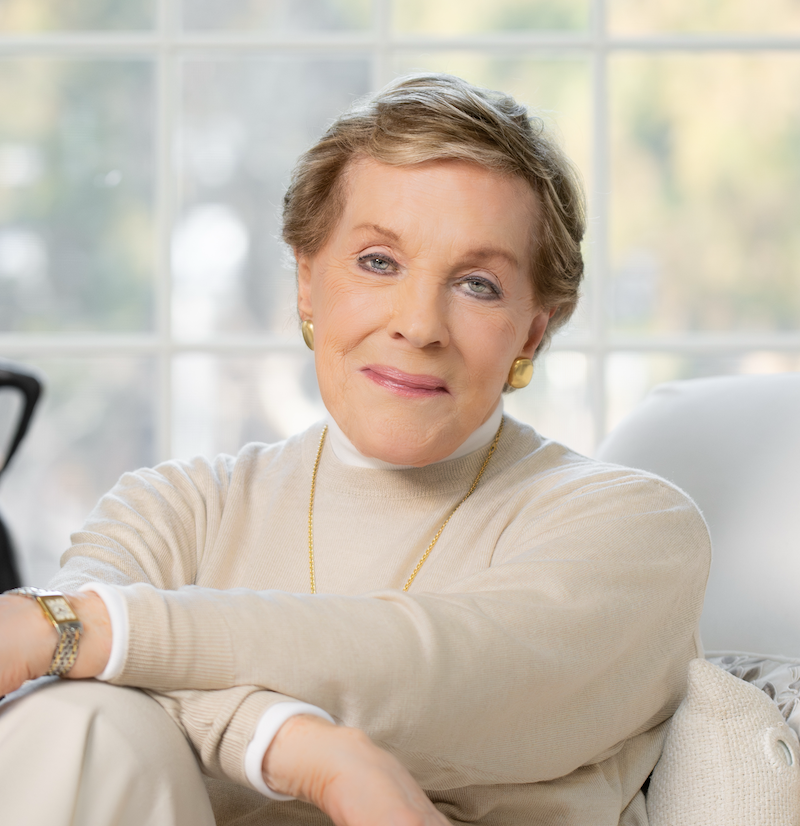
Julie Andrews is getting the documentary treatment. R.J. Cutler (“Billie Eilish: The World’s A Little Blurry”) is directing and producing an untitled documentary on the iconic actress, singer and author, set to debut on Disney+ globally in 2027. The film promises an intimate look at the “Sound of Music” star’s journey from British vaudeville to global superstardom, drawing on rare archival footage and new interviews. An official title will be announced at a later date.
|
|
|
| STATISTICALLY SPEAKING |
|
Even YouTube’s ad revenue growth has its limits. WARC Media predicts that growth rate will drop 7% to $43.2 billion this year and 7.9% to $46.6 billion in 2027.
|
|
|
|
|
| New and Returning Series |
|
ID is going next-level on Aileen Wuornos. “Unmasking a Monster: Aileen Wuornos” uses advanced digital replication and VFX to reconstruct the life, crimes, and capture of one of America’s most notorious serial killers, bringing first-person accounts to life with next-generation visualizations. The docuseries premieres Wednesday, Sept. 30 at 8 p.m.
Today’s Premieres
A&E: Behind Bard: Officer Cam at 9 p.m.
AMC+/Sundance Now: The Idaho Murders: A College Town Nightmare
BritBox: Gone
Food Network: Restaurant Impossible: Last Call at 8 p.m.
HBO Max: Stuart Fails to Save the Universe
Netflix: Ransom Canyon
Paramount+: Star Trek: Strange New Worlds
TBS: Impractical Jokers at 10 p.m.
|
|
|
| Ratings-o-Rama |
|
The 2026 FIFA World Cup final between Spain and Argentina drew 62.8 million U.S. viewers, breaking records on both Fox and Telemundo. According to Nielsen, Fox averaged 38.9 million viewers — peaking at 51.7 million — for the most-watched soccer telecast in U.S. television history, while Telemundo drew 23.9 million.
In fact, the World Cup broke every Spanish-language record in the book. By the numbers:
- 6.3 million average viewers across 104 matches, more than double than 2022 (+143%)
- Every round set a new Spanish-language TAD record; linear TV up +79%, streaming skyrocketed +297%
- Top 15 most-watched soccer matches in Spanish-language history all came from this tournament — the Spain vs. Argentina Final peaked at 23.9M viewers
- 77.2 billion minutes consumed across Telemundo, Universo, Peacock & streaming, 79% more than the entire 2018 and 2022 World Cups combined
- The takeaway: Spanish-language fans didn’t just watch this World Cup — they obliterated every record ever set, turning 2026 into the undisputed greatest moment in Spanish-language sports media history. One tournament lapped two.
ABC’s “World News Tonight” ranked as the No. 1 program in Total Viewers (8.48 million) on all of broadcast and cable for the week of July 13 (excluding sports, obviously), according to Nielsen. It’s the show’s 14th straight week at the top.
Broadcast Evening News for the Week of July 13
Total Viewers, A25-54
“ABC World News Tonight”: 8.48 million, 1.06 million
“NBC Nightly News”: 6.68 million, 1.00 million
“CBS Evening News”: 3.75 million, 472,000
Source: Nielsen National Live + Same Day Big Data Plus Panel Program Ratings
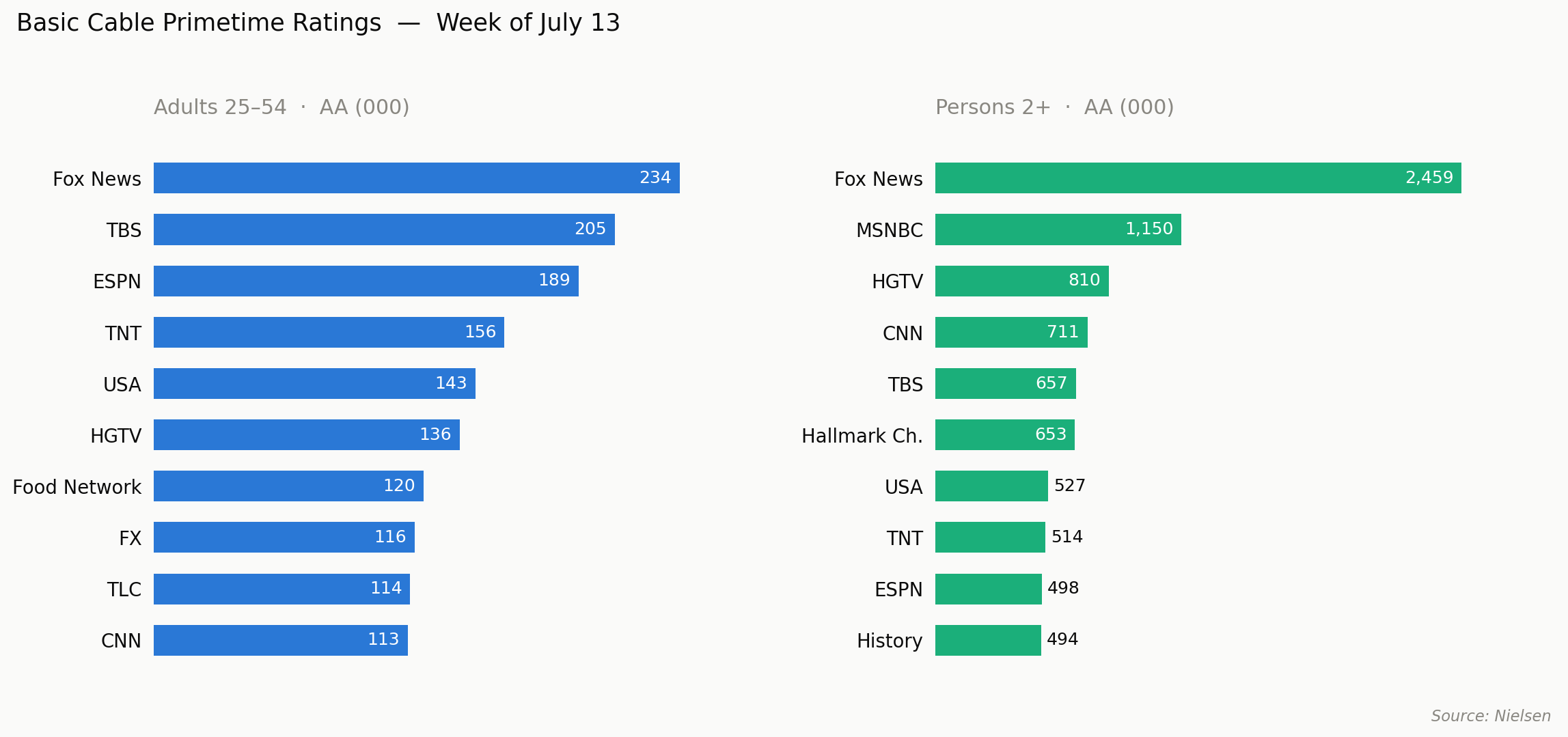
Basic Cable Primetime Ratings for the Week of July 13
A25-54 AA (000)
Fox News 234
TBS 205
ESPN 189
TNT 156
USA 143
HGTV 136
Food Network 120
FX 116
TLC 114
CNN 113
P2+ AA (000)
Fox News 2,459
MS NOW 1,150
HGTV 810
CNN 711
TBS 657
Hallmark Channel 653
USA 527
TNT 514
ESPN 498
History 494
Source: Nielsen
|
|
|
| Trivia |
|
Today’s Trivia Question
What international series is considered to be Netflix’s first foray into exclusive programming? (Email answers to trivia@cynopsis.com and include your name, company and city. Answers limited to four per time zone.)
Yesterday’s Trivia Answer
On “Royal Pains” (2009-2016), how did Paige and Evan meet? She hired him to play her pretend boyfriend.
Congrats to: Susan Nessanbaum-Goldberg-M and S Entertainment/LA; Fr. Mark Wajda/Clermont, FL; Tom Moore-Kalt Productions/LA; Rosemary Cunningham-MeTV/Chicago
|
|
|
|
|
|
|