AMC’s Content Chief Reveals the Three-Part Formula Behind Every Hit Show
 |
By Lynn Leahey
|
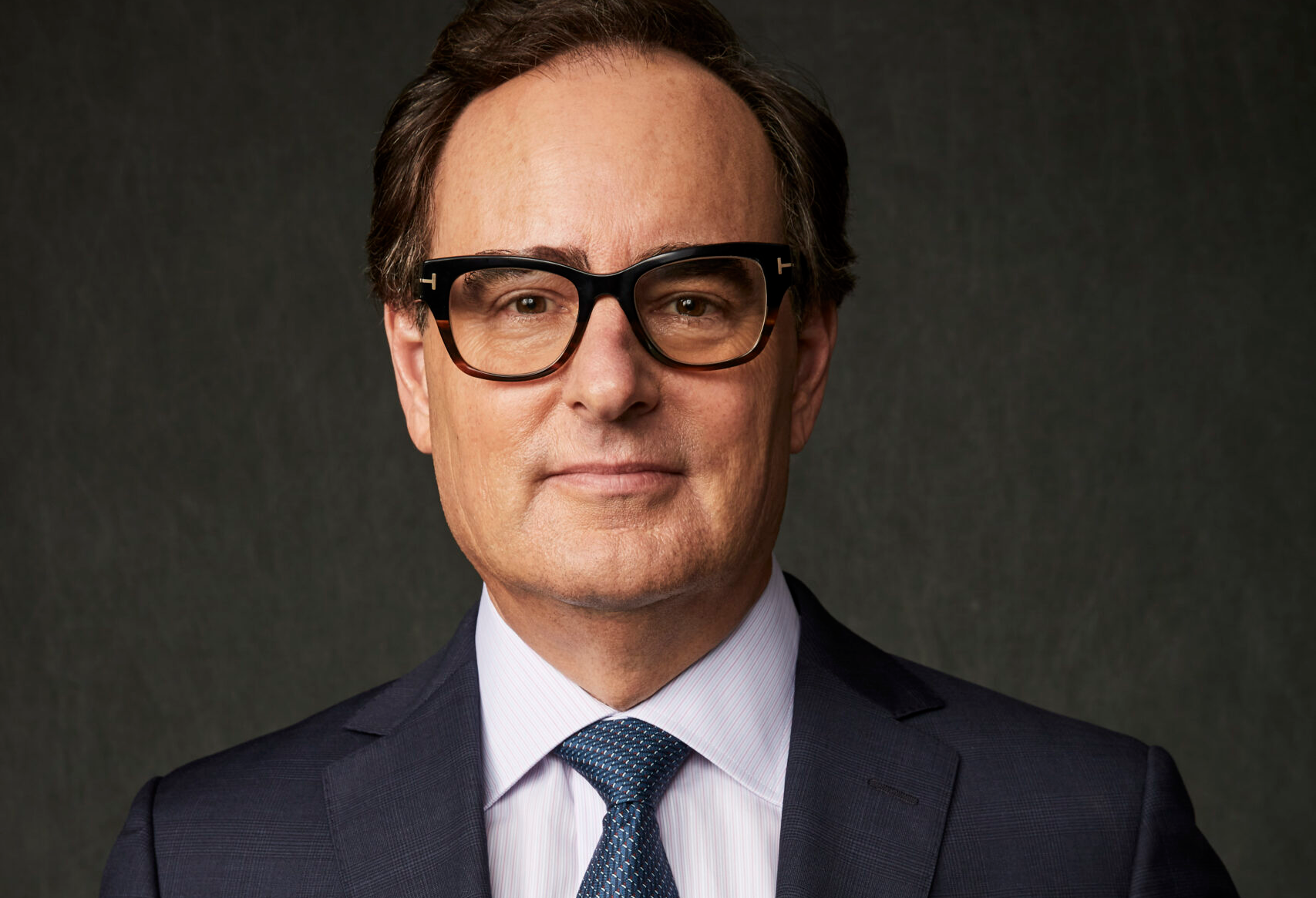
Dan McDermott spent more than three decades at the center of American storytelling — from the early days of Fox to creating prestige television at DreamWorks.
Now, as Chief Content Officer, AMC Global Media and President of AMC Studios, he oversees one of the most distinctive portfolios in the business: AMC, Shudder, BBC America, IFC, Acorn TV and HIDIVE, among others. With his contract recently renewed through 2028, McDermott sat down to discuss creative identity, the future of television and what it takes to make a hit show.
Streamlined: You oversee development, production, acquisition, scheduling and release across a remarkably diverse ecosystem. How do you maintain distinct creative identities for each brand?
DAN McDERMOTT: They’re distinct and unique, but together they offer a level of curation and depth that no one else can offer — and that’s a central part of our strategy. We have a team of subject matter experts dedicated to overseeing each brand, and we have clear curatorial clarity around what each platform does and what we source for each platform. I get to sort of jump around into all these different, really interesting pools, knowing that everybody who’s directly overseeing them is spending 24/7 in that pool.
It’s been really interesting to double down on the core curatorial values of each [brand]. That continues to be our message to consumers: these platforms are a deep dive into your favorite genres.
What’s your secret sauce for a hit show?
We always say there are three characteristics of a great AMC show.
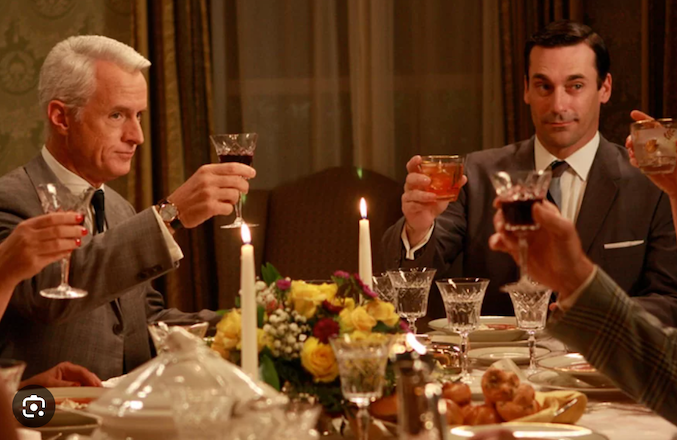
The first is a lightning-in-a bottle character, or a group of characters. You can put them on a poster, and everybody knows that’s Don Draper, or Joe Leaphorn.
The second is that those characters take the audience into a unique world or subculture that we either haven’t seen before or haven’t seen in this particular way.
And then the third is that we want our shows to be entertaining, of course, but we want them to be more than that. We want them to shine a light on our collective humanity and to say something about the world as it is today.
“The Audacity” is a great example of a show that is speaking directly about a world where tech is overwhelming us with data collection and the monetization of our teenagers. It’s really taking a deep look at our society, while, at the same time, being a wildly entertaining show with great characters.
Streaming is now your No. 1 source of domestic revenue. Why is being a streaming-first company important for AMC Global Media?
AMC Global Media’s core philosophy is to make great shows and films, and then deliver that content to viewers wherever they are and whenever they want to watch across a full distribution ecosystem. We want our content to be easy to find and easy to view.
I grew up in an era where if I wanted to watch “Cheers,” I had to be sitting at my television at 9 o’clock on Thursday night. And if I wasn’t, I didn’t get to see that episode until whenever it hit syndication. That’s not the world we live in now. We believe that, in 2035, a whole new audience is going to be discovering “Dark Winds” or “Interview with the Vampire.”
To continue to be relevant and successful while remaining a vibrant vital company, we have to push aggressively into streaming. We’re seeing it become our main revenue line now, and we want to continue growing it.
Before AMC, you served as President of Television at DreamWorks overseeing shows like “Freaks and Geeks” and “Band of Brothers” — and you later led the Lionsgate-BBC Studios scripted TV partnership. How has your view of what makes a great TV series evolved across those very different institutional environments?
I’ve been lucky enough to do this for over 35 years now. My professional life has been dedicated to great storytelling, from my early days at the Fox network. I’ve been able to work in feature films, broadcast television, streaming television and cable television. The most important thing I’ve learned is that a great story is a great story no matter what platform it’s on or what genre it is.
One of the things that I promised myself years ago is that, if I ever got to sit in one of these seats, I would be fearless and make decisions based on the core values of great storytelling that I’ve learned over the years. And I would not try to hedge bets by thinking this or that will be popular.
We’re making decisions 18 months to two years ahead without knowing what the world’s going to look like then, but I know if we tell a great story, it’s going to be relevant and there are going to be people that will want to watch it.
Showrunners often describe AMC as one of the few remaining networks that gives creators genuine autonomy. How intentional is that, and how do you balance creative freedom with the business realities of a network?
It’s very intentional for several reasons. For starters, it’s impossible to legislate creativity. You can’t dictate to someone how to be a showrunner, how to be creative or that this is what creativity looks like — and the efforts to do so frequently generate results that are exactly the opposite of what’s intended.
So, we like to say that we don’t restrict our storytellers, we want to release them. Our model is to find creative storytellers with great ideas that fit the curatorial remit that we have for each of the platforms they’re working on.
Then, we want to work together until we’ve agreed upon what story we want to tell, how we want to tell it and at what price point we want to tell it.
Finally, we let go, and we empower those people to make the best version of the story that we’ve all agreed on.
I don’t bet on ideas. I bet on people.
You were just renewed through 2028 — a significant vote of confidence. What do you want AMC Studios to have accomplished by the end of that contract?
First of all, I have to thank Kristin Dolan [CEO, AMC Global Media] for expressing confidence in me.
The most important thing we can do is to remember that we’re studio-driven at our core, and that developing and growing great IP is the critical component of our business. That is the value proposition that is the engine of AMC Global Media.
And so, we are going to continue forward, building a library of world-class shows, and these shows, ultimately, are going to fill this library and provide the long-term monetization opportunities for AMC Global Media to exist and thrive well into the future.
My son, who’s in his early 20s, has watched “Breaking Bad” two or three times now, the entire series. And he had never watched it when it was in production. And I think that’s going to continue to happen with different generations.
|