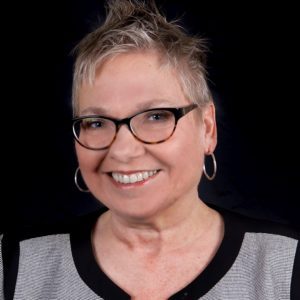
By Laurie Petersen
 When’s the last time you hired a 60-year-old? It’s inevitable you will.
The fastest growing population in the U.S. is people over age 55, and as the average age increases, these folks need to keep working both for money and the mental benefits work brings. According to a study by Age Wave & Merrill Lynch, 62% of retirees want to work so they can stay active mentally and 42% want the socialization. Only 31% are doing it for the money.
The birth rate is also falling, meaning not enough young people are coming up to fill jobs left by older workers who retire. By the year 2035, reports the U.S. Census Bureau, there will be more older people than children for the first time.
Get ahead of this trend now and your bottom line will thank you. “Age Is a Strategic Imperative,” a new white paper issued by The Encore Network, pulls together the research to show how demographic shifts are transforming the workplace. It also debunks many of the myths about older workers that have accumulated over the years and shows that:
Older workers want to learn new things, are updating their technology skills, and enjoy engaging with all ages of peers.
In fact, the research shows that age diversity contributes to productivity, better morale, innovation, workforce stability and profitability.
Hit the Ground Running
Because of their experience, many older workers are job-ready and can step into roles with a minimum of onboarding and training. They come with the skills in demand such as critical thinking, problem solving and resilience. They are leaders who possess social skills.
According to the U.S. Bureau of Labor Statistics, adding a 10% share of older workers reduces turnover by 4%. The typical tenure for all workers is four years, so hire a 26-year-old and they’re likely to leave before a 66-year-old. A diverse workforce allows for cross-mentoring.
Some 87% of employers say their older employees (over age 45) perform as well or better than younger employees. According to AARP, engaging older workers could raise GDP per capita by 19% over the next three decades.
In the coming years, the intergenerational workforce that includes those past traditional retirement age will hold the upper hand.
Are your HR practices automatically discriminating against older workers? Are you defining jobs in a way that appeals to older workers? Are you teaming younger and older workers and considering age as part of your diversity efforts? Are you developing all of your workforce, not just the youngest?
When hiring, don’t ask for graduation dates and other age-defining questions. Train recruiters and hiring managers to avoid age-biased assumptions of technology illiteracy. Consider flexible work options, including variable work hours, part-time work and phased retirement. The benefit to you is that it creates organized transitions while keeping historical and practical knowledge inside the company.
Now Look at the Flip Side
Not only are older workers valuable for their skills, they also bring the perspective of the demographic group with the most disposable income to burn. Having all generations at the table makes it more likely someone will spot a glaring gaffe in messaging.
Older adults are your largest audience in both numbers and pocketbook. They think of themselves as vibrant and alive, not hunched over and doddering. They have time. They are taking on physical and athletic challenges, changing careers, starting new businesses, and looking for ways to give back.
Still, advertising to older people leans toward condescension and the stereotype of needy and helpless. These are the same stereotypes that feed a misbelief that older adults have nothing to bring to the professional table.
Fail to prepare for the inevitable and your business and your talent pipeline will suffer.
To download a copy of the Employer’s Guide to Engaging Older Workers, visit The Encore Network Launches the Age-Friendly Employers Guide | Encore Network
Laurie Petersen, a former media and marketing editor, is a senior director with PSS, a New York-based non-profit agency that addresses the needs of older adults. She is a member of the Encore Network Advocacy Affinity Group.