By Narendra Reddy, COO, The Africa Channel Inc.
 Another Black History Month is upon us, a time traditionally used to honor and reflect on the hundred years of history built by Black America. But Black history is not finished. In fact, it’s still being written and it includes a multitude of voices, experiences and narratives that continue to shape what Black America looks like today.
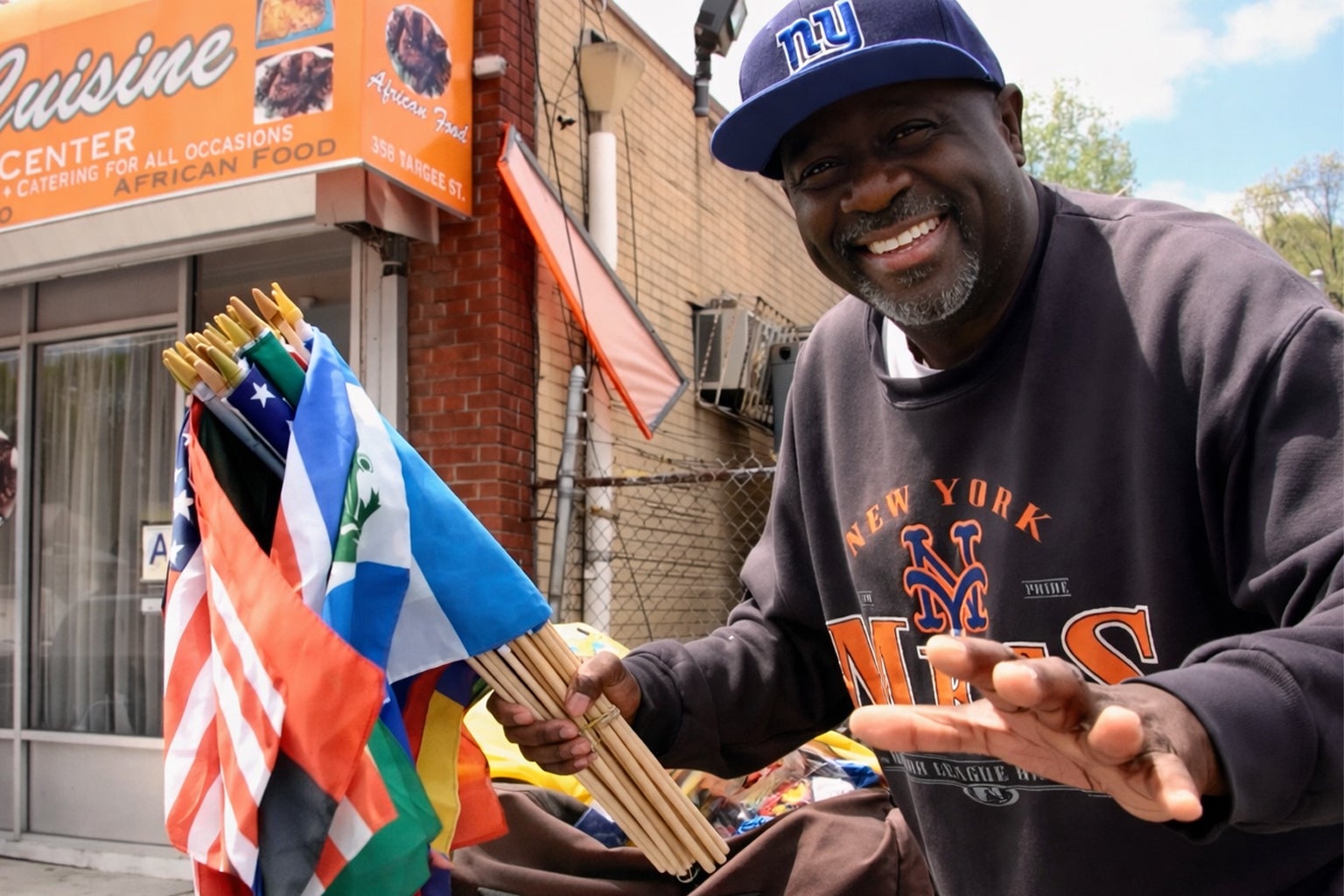
One critical aspect of that story is often overlooked: the role of African-born immigrants in the United States. These communities are not adjacent to Black history; they are central to its present and future.
The Black experience and, by extension, Black history has never been linear or monolithic.
With a growingly diverse population within the U.S., our understanding of what it means to be Black in America must be expanded accordingly. This evolution reflects the ever-changing realities across generations, cultures and nations, something that The Africa Channel has always made its mission to reflect in our programming and ethos.
Recent studies underscore how rapidly the Black immigrant population is growing, and how significantly it will shape future demographics and cultural trends within the United States.
Among adults aged 25-54, the Black immigrant population has grown three times faster than the overall black population and six times faster than the total U.S population since 2010. During the same period, the Sub-Saharan African-born population grew by 96 percent while the Caribbean and Latin American-born Black population increased by 32 percent. These numbers only highlight the growing and ever-evolving identity of Black America.
TAC has always championed the lived realities of the African diaspora, particularly first and second-generation immigrants, as they navigate life within the United States. During Black History Month, it is essential to recognize not only historical contributions but also the ongoing impact of African diaspora communities as they navigate the complexities of resettlement, race and national identity, all while trying to build a new life here.
That is why we plan to amplify immigrant stories and communities throughout this month – in series such as “Africa Everywhere” and “In Focus: Rooted” and “In Focus: Black Women in Media,” to strengthening connections to the homeland through daily programs like “Expresso,” exploring multicultural identity through shows such as “Finding Samuel Lowe: from Harlem to China” and “African Royale.” Outside our entertainment programming, we also support cultural partnerships, such as the Pan-African Film Festival, and collaborate with trusted journalism outlets such as BBC Africa to present daily news shows from an African perspective.
Unfortunately, many brands continue to overlook these nuances. Despite a 119 percent increase in Black consumer spending over the past 15 years, projected by eMarketer to reach $2.1 trillion by 2026, and despite Black audiences consuming 32 percent more media, the general market continues to treat Black Americans as a singular group.
The disconnect is apparent to consumers. Research from Nielsen and My Code shows that 69 percent of respondents want more authentic representation of their identity in advertising. Even more telling, 66 percent are willing to cut ties with brands that devalue their community and more than one-third believe brands portray all Black people the same.
This gap becomes especially visible during Black History Month, when programming is often centered on a limited set of historical narratives. Although these stories are vital and foundational, not just to Black history but to global history they are not the whole story. A fuller Black narrative includes voices of African-born immigrants, Caribbean and Latin American diasporas, and the ways these communities continue to shape culture in the United States. It includes stories of migration, intergenerational identity and global connection. By recognizing this broader narrative, it will only deepen the authentic representation that Black America deserves.
As an immigrant myself, I take special pride in how TAC supports immigrant communities — not just in February but all year long We see Black History Month as an opportunity to reflect on the past, acknowledge the present and set foundations for the future. Authentic representation starts with telling the full story, one that reflects the diversity and complexity of an ever evolving America.