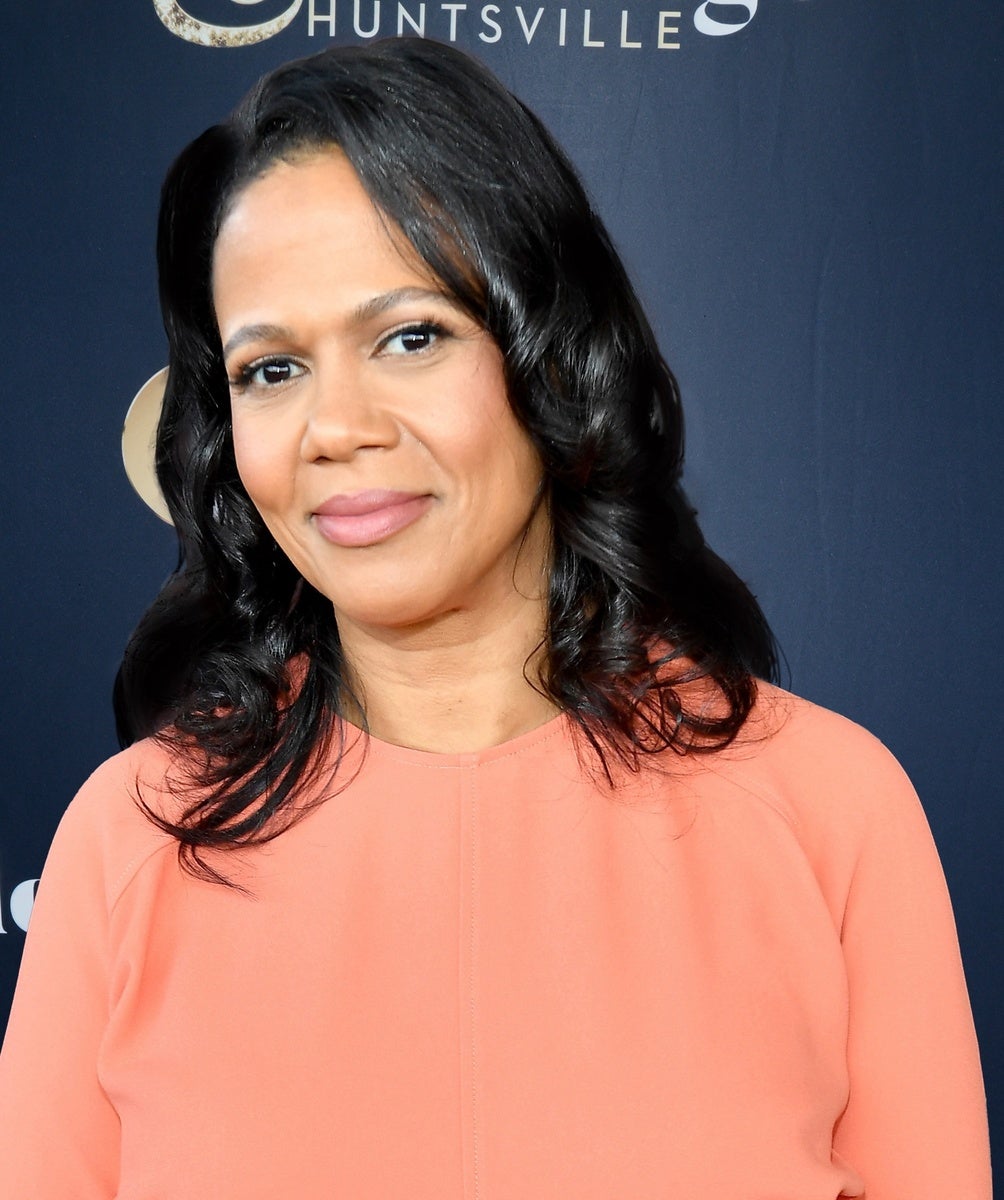
How OWN’s Tina Perry Is Taking the Network Beyond Linear TV
 |
By Victoria McNally
|
Tina Perry will be honored at the 2026 Cynopsis Top Women in Media Awards Gala on November 4 in New York City. Join us for an unforgettable evening celebrating the most influential women in media, entertainment and advertising. Save $100 on your ticket when you use code TWIM26 by Friday, October 23. Valid for new registrations only.
It’s not enough for a TV channel to put out a good program anymore; it needs to give viewers a reason to tune in.
For Tina Perry, president of the Oprah Winfrey Network (OWN), that shift toward brand identity is one of the biggest changes the entertainment industry has undergone since she joined the company in 2009.
“It’s not just networks anymore or channels,” Perry told me. “Seventeen years ago, I don’t think we thought about it in that way when you worked in TV.”
The other biggest change, of course, is the advent of streaming, which Perry said has democratized content production. More types of creators are able to share and tell stories, and audiences can afford to be more selective about what they watch – which means it’s also more important than ever to know what kind of audience you’re trying to connect with in the first place.
I spoke with Perry about how OWN is embracing new media formats and expanding its reach beyond linear TV audiences.
Streamlined: How does OWN approach streaming and connected TV, compared to how you’re thinking about linear TV?
TINA PERRY: At the network, we think of ourselves as a brand and we have a linear channel. But we reach our audiences and tell stories in so many different ways.
We recently launched two short-form creator programs that exist solely on YouTube and on our social platforms, “Dating Download” and “Glow Up at Five.” We’ve had great successes with those shows. They will not be on linear TV, but they’re a way for us to reach younger audiences and new audiences on our social and YouTube platforms.
When did YouTube become a part of how you reach audiences?
I personally have always been very digital first and social first. About six years ago, when I was working with our social teams, we were focusing mostly on Facebook and a little on Instagram.
I started asking a lot of questions about YouTube, because the data I looked at showed that African American audiences over-indexed on YouTube even back then. I started thinking a lot about how we reach audiences and how we build our YouTube channel. I also work closely with my YouTube team on a year-long strategy. We talk quarter by quarter about what we’re focusing on, and I watch the numbers. It’s always been a part of my world at OWN.
But YouTube is everywhere now, right? Our YouTube platform is one of the top Black YouTube platforms in their larger ecosystem. They’ve told us time and time again, and it just keeps growing.
It sounds like you’re already starting to dabble in vertical short form. Given that microdramas are becoming such a big trend right now, is that something you’re planning to explore more? And how do you decide when the time is right to get on board with a new trend?
Microdramas are incredibly interesting and it’s a space I’m watching closely. I’m still weighing the experience of watching them and whether they’re as broadly accepted as everyone’s saying. The research hasn’t confirmed anything for me completely yet. We know that younger audiences are enjoying them in high volume, but I’m still curious whether people over 30 are engaging with them as deeply and what that looks like.
I think microdramas are probably here to stay, but whether they’re meant for streamers and linear or whether they’re really much more of a social play or a YouTube play – that’s what I’m trying to deconstruct before we decide to jump in.
What are your thoughts on how Hollywood should approach using AI technology, if at all?
I believe AI is an incredible tool for everyone to do their job. We’re very AI-positive at OWN. At the same time, we never want it to challenge the integrity of a creative project or complicate what creators want to do or make for us.
I don’t see it as a threat, in the sense that I believe what our producers, story editors and showrunners do is really hard to replicate in a technological way. But I think there are AI tools that can enhance and save costs.
What kind of quantitative data are you looking at to identify your audience?
We’re looking at her consumer habits and what she’s watching across all media. Year by year, we create a viewer profile about her for everyone who works in the network.
For example, is she more Democrat, Republican or independent? Is she in a multifamily household or is she living alone? Any detail we can find about her as a viewer and how she’s living her life we take into consideration as we’re thinking about green-lighting shows and what matters to her.
The industry is in a constant state of change. But what’s one thing that hasn’t changed?
The beautiful thing about show business is that it is heavily relationship-based. Collaboration and working with people is at the heart of everything you do. That has not changed, and I think it’s something that will never change.
Do you have any advice for women who are just starting careers in media?
One, keep making relationships throughout your career. Treat every person you work with in a business capacity as an important relationship and nurture it. Relationships build over time; they’re not built overnight. I encourage them to keep that front of mind as they’re navigating their career.
I would also love to share one word that I hope they carry with them, which is “intentional.” Remain intentional with everything you do in your career. It was Oprah who introduced that word to me. When I became president, one of the first conversations we had was about making sure we lead with intention with everything we do.
This interview has been lightly edited and condensed.
|