Video Podcasts Are Hot, But Don’t Abandon Audio, Says Horizon Media’s Maria Tullin
 |
By Victoria McNally
|
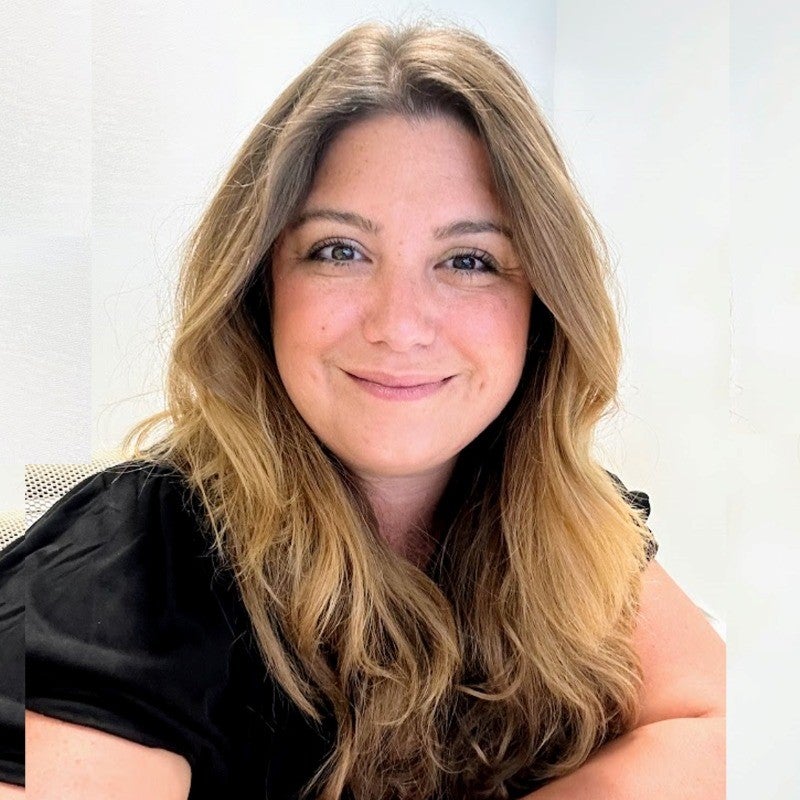
Maria Tullin will be honored at the 2026 Cynopsis Top Women in Media Awards Gala on November 4 in New York City. Join us for an unforgettable evening celebrating the most influential women in media, entertainment and advertising. Save $100 on your ticket when you use code TWIM26 by Friday, October 23. Valid for new registrations only.
Streaming services and even cable TV networks are now licensing and producing their own podcast content to monetize with ads or help drive new subscriptions – which puts more traditional audio in an awkward and unfortunately familiar spot.
Compared with display, search and social, audio is often treated as a niche advertising channel, worthy of investment only when a new format breaks out and captures the attention of consumers.
Which begs the question: As podcasts move into video and CTV, will audio be left behind once again? It doesn’t have to be that way, says Maria Tullin, Horizon Media’s SVP of performance audio and podcast strategy.
“I would love to look at video as a gateway,” said Tullin, who oversees “all things audio” at Horizon, with a focus on performance. Horizon customizes its audio investments for each brand and client, she told me, but most fall under streaming or podcasting, which are the two biggest channels.
I spoke with Tullin about how the audio space is evolving to overlap with video, and what she’d tell women just starting out in media.
Streamlined: There’s a certain kind of DTC startup brand that tends to be associated with podcast advertising. Is that why the podcast space is so rooted in performance and attribution?
MARIA TULLIN: It’s evolved dramatically over time. Traditionally, promo codes and vanity URLs were really all we had. Now we’re in a place where I feel really great about our pixel-based attribution.
The big hole is YouTube. We’re telling clients that they really should be part of YouTube’s simulcast [which is when a piece of media is streamed simultaneously to YouTube and other platforms, like Twitch or Libsyn], but I can’t measure that the same way.
Does video podcasting fall in or outside of your purview at Horizon Media?
It’s still very much within our purview. It really just depends on how it’s being approached. If we’re talking about a partnership with a podcast, that’s still going to be within my team. We would do pretty much anything that’s attached to a show.
Because you have so much overlap between traditional broadcast and video TV companies, sometimes another team will end up with a podcast on their plate. We try not to be too precious about who’s doing what, but that’s not to say we’re not touching it anymore because it’s video.
With YouTube, it’s tricky because whether I recommend it or not depends on what a client’s goal is. If the client is used to pixel-based attribution, they’re not going to be happy unless we’re putting YouTube in a totally different bucket of their budget and saying that it’s more about branding. Whereas other brands that are maybe more direct-to-consumer but have social budgets might be more willing to layer in the simulcast elements without necessarily worrying about it. They’re more accustomed to that type of data instead of pixels.
Are clients typically spending on podcasts from their audio budget or their video budget?
It’s usually coming from an audio budget. Sometimes there isn’t an audio budget at all, and they might say “We have this influencer budget, and we want to explore podcasts.” Then we’ll jump in, and then maybe snowballing off of that process, we might say, like, “Well, have you thought about streaming? You probably should think about streaming.”
Have there been any other changes to how you operate as video podcasts become more popular?
It’s a double-edged sword. On one hand, it’s really great that people are getting excited about and talking about podcasts. The part that I like less is that, while a lot of these shows with strong audiences and big video presence are great, they’re not the only shows that exist.
Both from an audio and a video perspective, there are a ton of creators with video-first podcasts who are great and should be considered on plans. There’s also a ton of podcasts that don’t have video elements that are great and should be on plans.
I want to get people in the door and have them be excited about what’s possible. But I also don’t want them to only throw their budgets at big names. Ultimately, when we do that as an industry, we oversaturate those shows and then they don’t perform, because there are too many ads in them and it hurts the experience.
What advice would you give to women just starting their careers in media?
As newer people join the workforce, they set really strong boundaries, which is a good thing. But I think there’s a balance between saying, “These are the hours I work” and “These are things that are important to me.” It’s not just a matter of doing more; it’s about doing what is going to help you and learning about your job, specifically, but also about the job above you.
You doing your job in a silo is not going to get you to the next level. You need to understand what’s happening on the desk of the person above you. Ask questions about what they’re doing, ask to help if it’s something that interests you.
Those are the types of things that get you promoted because you’re showing that you care about that next level, not just that you want to get promoted for the sake of it.
This interview has been lightly edited and condensed.
|