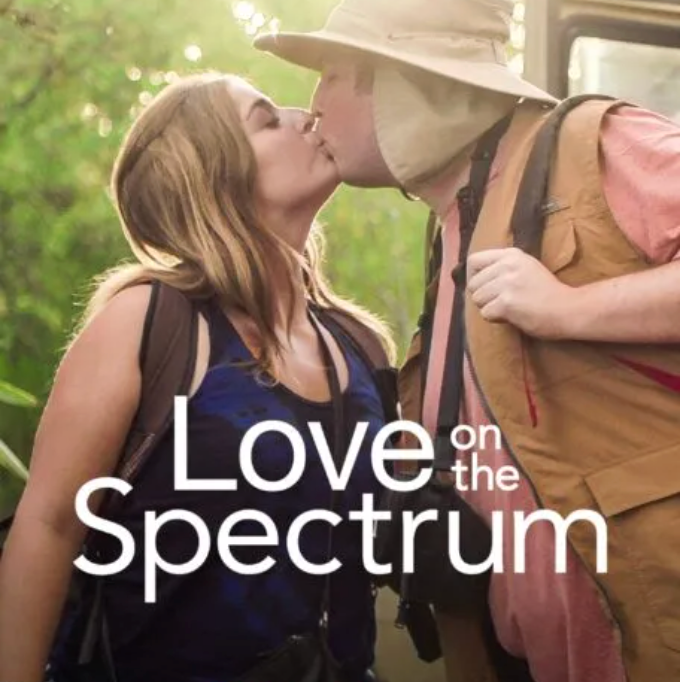
 As audiences grow more discerning, the expectations for inclusive storytelling are evolving beyond representation alone. Today’s gold standard is less about what’s visible on screen and more about what’s felt—authenticity, care, and a deep respect for the people whose stories are being told. From production practices to long-term impact, creators are being challenged to rethink not just how stories are made, but what success truly looks like. Karina Holden, co-creator and executive producer of Netflix hit “Love on the Spectrum,” and Head of Factual at Northern Pictures, talks about reshaping unscripted television through a more human-centered lens.
What defines the gold standard for inclusive storytelling today, and how have you worked to raise that bar through your own productions?
For me, the gold standard is when inclusion isn’t something you can point to. It’s something you feel. It’s embedded in the way a story is told, in who holds authorship, and in how people are treated long after the cameras stop rolling.
On “Love on the Spectrum,” we’ve always approached it as a documentary first, not a “format” looking for moments. That changes everything. It means the schedule bends around the participants, not the other way around. It means investing heavily in duty of care, not just during production, but before and long after. It means resisting the urge to simplify people into neat narrative arcs.
I believe raising the bar has been about normalising that approach. Showing that you can create something warm, funny, and deeply human without manufacturing conflict or leaning on tropes. And importantly, ensuring participants walk away with agency, dignity and ideally, a platform they can use if they choose to.
How should we be measuring the long-term cultural success of an unscripted series in today’s market beyond ratings?
Ratings tell you who watched. They don’t tell you what changed. The more meaningful metrics are slower and harder to quantify, but far more interesting. Are the people in the series still benefiting from being a part of it? Has it shifted how audiences talk about a community? Are participants being recognized in public with respect rather than curiosity?
With “Love on the Spectrum,” we see it in small, cumulative ways: teachers using it in classrooms, families saying it reframed how they understand their own children, and cast members becoming advocates in their own right. Then there’s the industry ripple effect: are other shows changing how they approach casting, storytelling, duty of care? That’s when you know something has actually landed.
With the television landscape shifting so rapidly, what does the next generation of unscripted storytelling look like to you?
I think audiences are getting very good at detecting authenticity. They can feel when something is engineered and increasingly, they’re rejecting it.
To me, the next wave looks more like documentary craft infiltrating unscripted formats: smaller crews, longer relationships, stories that unfold rather than being imposed, and a greater sense of responsibility to the people on screen. At the same time, the challenge is maintaining scale and ambition without losing that intimacy. The opportunity is finding ways to do both.
What does the sustained success of “Love on the Spectrum” signal about where audience appetite is shifting right now in television?
It suggests audiences are a bit tired of cynicism. There’s a real appetite for stories that are sincere without being saccharine, find humor without humiliation, and allow people to be complex, awkward, funny, contradictory… basically, human.
What surprised us was that “Love on the Spectrum” didn’t just resonate with neurodivergent audiences. The series has become a broadly popular show across the globe. I think that’s because it taps into something universal: the desire to connect, and the vulnerability that comes with that. It leans into kindness, which is counter to the narrative we’re all told about the need for conflict and villains in our storylines. If anything, its success signals that audiences are far more open than we sometimes give them credit for.