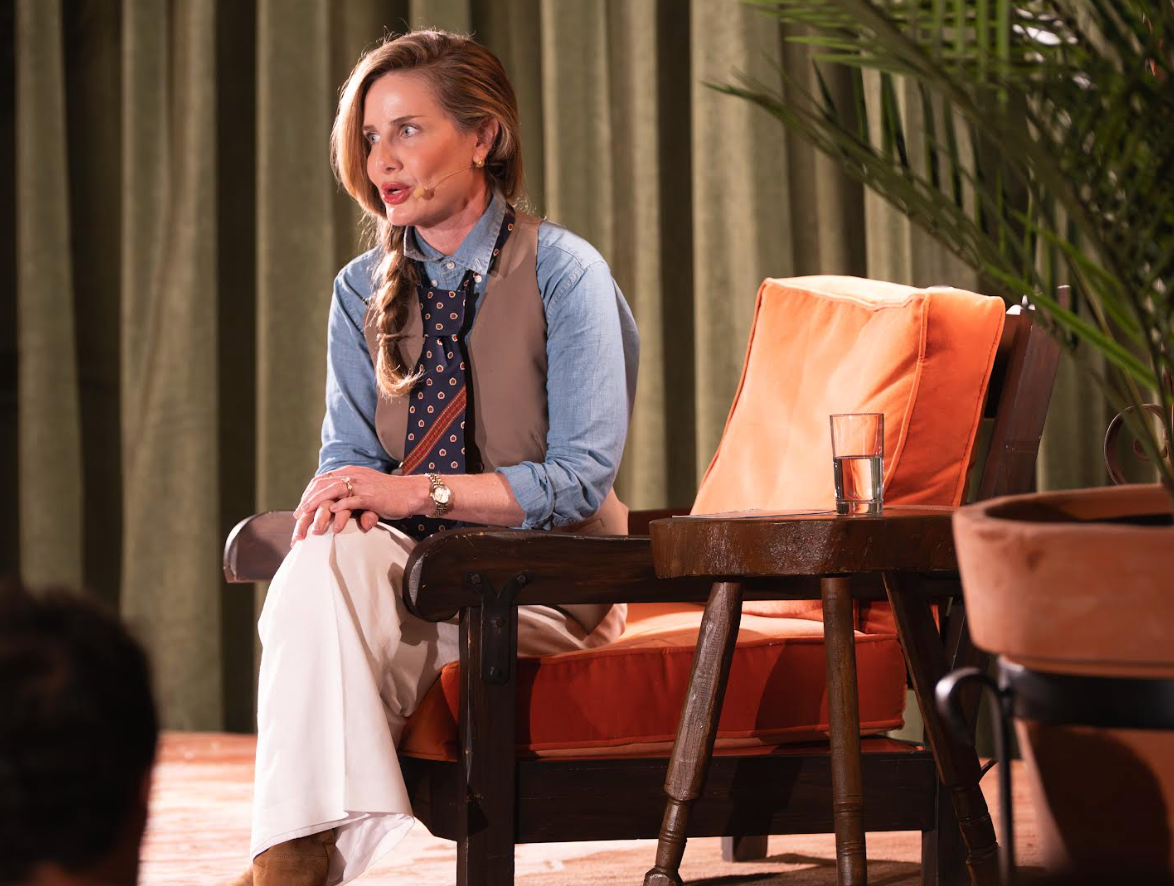
 Rise Literary recently launched a partnership with veteran TV producer Joy Gorman to help guide authors for book-to-screen adaptations. The partnership will also launch a publishing imprint with Simon & Schuster that focuses on connecting TV and film IP with publishing opportunities.We caught up with Kristen McGuiness, CEO & Publisher of Rise, to talk book-to-screen adaptations, how editorial and development conversations are converging, and what authors should really expect when Hollywood comes calling.
The TV industry is seeing a rise in book-to-screen adaptations. What types of stories are translating best to this format and why?
I think adaptation has always been less defined by genre and more clearly credited by the strength of the characters in the book. Strong characters usually make for more successful books, which receive a higher rate of adaptation and are also easier to adapt for the screen. Whether it’s Margot’s Got Money Troubles or Heated Rivalry, iconic characters make for great visual storytelling, inspiring readers and screenwriters alike.
Are authors changing their stories now for potential future adaptation?
Because adaptation always feels a bit like fantasy, authors really don’t write for it. However, an upside of how we’re looking at our books is that by having developmental conversations alongside editorial ones, we are able to strengthen both versions of the story simultaneously. The editorial conversation can make for a stronger TV and film pitch, and a great TV and film pitch can inspire how the story is told. Writing is all about making choices, and incorporating adaptation considerations as you’re editing your book only helps to make the structure, characters, and narrative that much more engaging and cinematic for readers, whether or not an adaptation ever happens.
What are the biggest challenges authors face when their work is adapted for the screen?
A great book unfortunately doesn’t always get screen treatments. There are over 4 million books published every year in the US (versus thousands of scripted productions) so clearly not everything can or should be adapted. But obviously there are some books that get a lot closer to the sun, and that can be hard for authors who believe they are on their way to the next level of success, when a book is optioned, or developed, or even greenlit. But on the other side of that, there is the creative reward and increased visibility that occurs after a book is adapted. Authors are ironically sensitive sorts, and while the success for adapted materials can be wonderful and opportunity-making, from a creative perspective, authors can struggle when their books find a new face and life on the screen. Not all adaptations follow the source materials, and in some cases, authors can be left feeling that it isn’t actually their story that they are watching, especially when they are not involved in the adaptation process.
What is a book or story that needs to be adapted onscreen?
I would remiss not to say, our own! The Revenge Party by Emily Paulson, which just came out on May 12th, is a perfect candidate for adaptation – a multigenerational two hander between a wife and mistress, a terrible husband, and a subtle political takedown of the MAHA crowd. It’s fun and page-turning while still skewering our modern times. Emily last book, Hey, Hun, is being developed by LuckiChap, so we can’t wait to see where this one lands!