NBCU’s Streaming Strategy Involves Revisiting The Cable Playbook
 |
By Alyssa Boyle
|
At this point in the streaming industry’s evolution, everything old is new again.
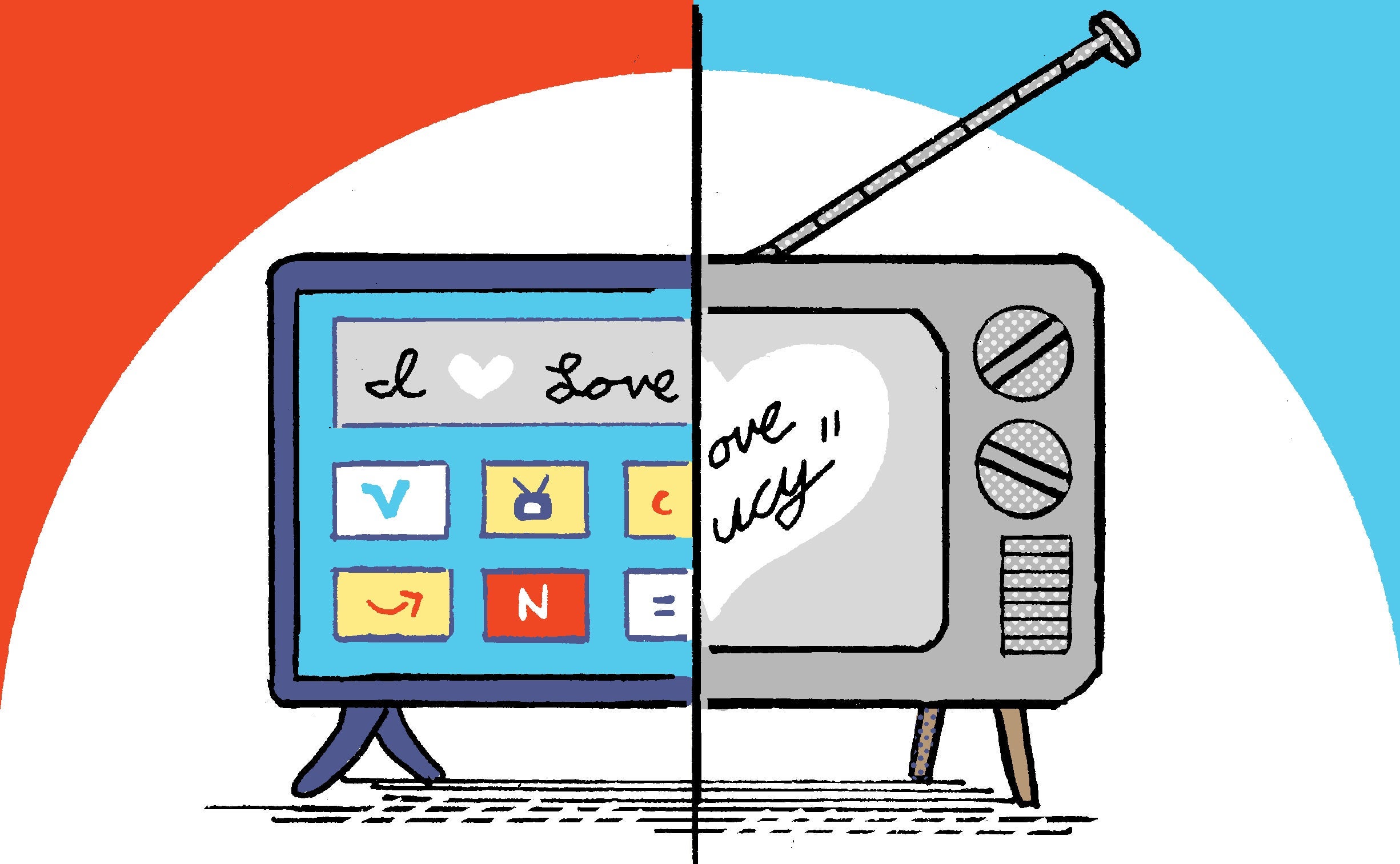
Take NBCUniversal, for example, which is trying to bring back bundled distribution deals and appointment viewing.
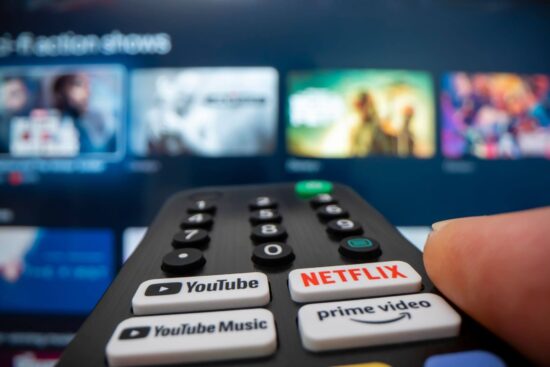
In recent news, NBCU – which will spin off from Comcast to become its own publicly-traded company – announced a multiyear global tie-up with YouTube. As part of the deal, NBCU and YouTube will include Peacock’s ad-supported tier within YouTube Premium subscriptions at no additional cost to consumers, beginning in 2027.
By getting in front of newer and younger audiences that increasingly use YouTube to watch their favorite content, NBCU hopes to see Peacock subscriptions and watch time grow, said Amy Geary, EVP of platform distribution and partnerships at NBCUniversal.
For NBCU, another tactic to increase engagement is to hyperfocus on content that people must watch live to get the full effect. That focus on “immediacy” for content lineups encourages higher engagement and longer viewing sessions, she said. Which, of course, also draws advertisers.
Geary spoke with Streamlined to connect the dots between the appointment viewing and bundling techniques of the past with the streaming TV business successes of today.
Streamlined: What is NBCU’s strategy for monetizing distribution deals and free ad-supported TV most effectively?
Amy Geary: At NBCU, we try to stand out by focusing on what we call “immediacy,” or content that people watch immediately in the moment to get the full social and cultural effect.
This content includes live TV, of course, but it also includes entertainment content that people feel like they need to watch live. Examples include highly popular shows that spur conversations online and may also include an element of live interaction, such as viewers voting for their favorite couple during the “Love Island USA” season finale last month. The social impact nearly makes viewers feel as if it’s live.
And, of course, we’re also focused on actual live events. At NBCU, we invest heavily in sports, and we try to introduce sports programming in a way that makes sense for habitual viewing. For example, we brought back MLB programming to NBC and Peacock this year in addition to more NBA events. Our MLB distribution rights create a situation where we now have a marquee sports event broadcasting on NBC nearly every Sunday of the year. That predictability is part of our effort to recreate the appointment-viewing experience.
We also have live events other than sports. The annual Macy’s Thanksgiving Day Parade on NBC is just one example.
How does NBCU’s distribution negotiations in streaming environments differ from more traditional cable deals?
Cable and linear TV distribution deals are typically very consistent because the same project gets distributed to everyone. But digital-first distributors, such as YouTube TV and Fubo, for example, tend to be more innovative because they’re open to experimenting with digital features that create another level of personalization.
YouTube, for example, is putting in a lot of effort to make its sports content more engaging to watch by building multiview experiences that can help viewers more easily access snackable highlights of a game or team scores. Digital platforms also have the ability to serve more targeted content recommendations and ads. That level of innovation and attention to the user experience is something we look for in our distribution partners at NBCU.
How do you measure success on a distribution deal?
We always focus on incremental reach and frequency as one of our primary metrics of success.
We want to reach as many consumers as we can – but another important priority is that we want those viewers to consume as much of our content as possible. Distribution deals, including via FAST channels, are one tactic that helps us achieve that goal.
FAST has taken a big share of viewing recently, for example, so we consider FAST to be a particularly good way to get more monetization out of our existing IP. FAST channels are a lucrative opportunity to super-serve a specific audience, including based on nostalgia and fandom, such as, say, a FAST channel dedicated to “Little House on the Prairie.” If we can make it more appealing for viewers to consume content at a high volume, it helps encourage longer watch sessions and, sometimes, new subscriptions to Peacock.
Do you anticipate any changes in NBCU’s content distribution strategy once NBCU’s spinoff from Comcast is complete?
We don’t anticipate day-to-day changes in business strategy, but we do think this spinoff will help allow us to remain especially focused on our future as an entertainment company by creating a situation where we measure our company success as an individual business unit.
Looking ahead, what do you expect the streaming TV distribution landscape to look like? Who might the key players be?
We have a few predictions at NBCU. We expect that Big Tech companies will continue to pursue their interests in making media and entertainment into a core component of their businesses.
We also expect mobile-first streaming to keep rising in popularity.
We recently launched a vertical video feed for our Peacock mobile app to make the user experience more flexible as viewers watch more streaming video on mobile, including outside the home or on the go.
Vertical video consumption is also increasing because of the rise in popularity of microdramas.
This interview has been edited and condensed.
|