|
A CYNOPSIS MESSAGE FROM THE HUB
A New TV Channel For Kids And Families
(((( The Hub )))) Has Launched! Where … Cynopsis Media presents: Good morning. It’s Monday, October 18, 2010, and this is the first installment of our special five-part series on Demographic Viewing Patterns. Evaluated by category, each Special E-Report will explore the latest research on viewing patterns and evolving media preferences of specific demographic groups. Cynopsis Media will also look at the newest trends networks and ad agency executives are using to target and reach each of these demographic categories. As always with any special edition, we hope you find the information relevant, interesting and informative, and encourage your feedback. Kids, Tweens and Teens Do the math – TV is still the big kahuna when it comes to kids. For all the talk of growing up digital, kids, tweens and teens still gravitate to the TV for the bulk of their media consumption. However, that doesn’t mean digital avenues should be neglected when marketing to the younger groups — either products on TV or TV networks themselves. “No matter how you slice it, people of every age group are watching more TV than ever before and the time for all the internet and digital apps isn’t coming from TV — it’s coming from print, radio, other things,” said Jack Wakshlag, Chief Research Officer at Turner. In fact, in the first quarter of 2010 kids 2-11 watched 24 hours of TV each week, compared to four minutes of internet video. Teens watched about 23 hours of TV per week, compared to 10 minutes of online video, Nielsen said. Those numbers suggest that even though online video is incredibly popular — at billions of views a month the numbers bear that out — it’s still just a fraction of overall entertainment consumption. So while the younger generation is infinitely more digital than the kids of yesterday, they still are devoting the lion’s share of their attention to TV. Plus, the kids market has always been one of the best targeted areas in TV, simply by virtue of the existence of cable networks for kids like Nickelodeon, Cartoon and Disney, said Donna Speciale, President of Investment, Activation and Agency Operations at MediaVest. “Kids used to always be on broadcast networks on Saturday and Sunday programming. Between Nickelodeon and then Cartoon Network and Disney, they started these very niche networks completely targeted to kids. The kids landscape has done the best job for years honing in on a specific target with a specific network,” she said. Networks are also catering to smaller niches of kids, such as Nick Jr. geared to kids in preschool. “They’ll segment their programming so it’s even more targeted and this helps brands,” she said. However, marketers would be remiss to return to the days of old and just plunk all their ad money on the tube. That’s because teens especially spend a lot of time researching products and services on the internet– goods that they are likely to hear about from friends and from TV ads. About 34 million teens aged 12 to 19 have $176 bullion in personal purchasing power, eMarketer reported, citing statistics from youth market research firm TRU. While they often spend that money in actual stores, they are doing their due diligence about the products and services online. That’s why there should be a natural throughline between TV and the digital venues where teens are making the purchasing decisions. Social media, cell phones and online connectedness to friends plays a major role in teens’ buying decisions when they are finally ready to make a purchase. A teen girl, for instance, is more likely to buy products in stores than online compared to other internet users. But she has likely used social media to glean product tips and purchase advise from friends before she pulls the trigger, eMarketer said. A Piper Jaffray survey ranked friends, TV and the internet as the most influential factors in teens’ clothing purchase decisions, for instance. So while the numbers for TV will dwarf digital figures, the digital component of any media campaign for kids or teens plays a vital role in adding connection and authenticity, said Evan Gerber, Director of Experience Design at media agency Isobar. “If you are an advertiser running a campaign on TV, where is it sending them, how consistent is the messaging from one thing to the other, and are you giving them a conversation and a story to be involved with?” The TV message is the megaphone, but driving to a web site or online experience for information, sharing and learning is critical to marketing to this demo. “That’s where you get the legs for a campaign — online,” Gerber said. Networks too have to think about kids holistically when they’re marketing shows to young viewers. Cartoon Network, as an example, invests a lot of marketing resources in gaming because kids 6-11 are heavy online gamers. “Whether addictinggames.com or platforms like that, our approach is to bring gaming to those environments by syndicating games and then promoting tune-in,” said Vicky Free, VP of 360 marketing for Turner Broadcasting’s Animation for young adults and kids. “We give them something they like first before hitting them with the tune-in message.” Social networking too is becoming more important for marketing and that means creating games and other viral content for kids to share. “They want to buzz about it, rate it, tell us about, so we try to give them videos to share on Facebook or tell their friends about to help promote tune-in,” she said. “They are consuming media in all platforms so we need to be in all those mediums to drive the kind of scale and awareness that is required for tune in.” That’s because TV is still the epicenter for kids. “Miley Cyrus is a superstar to this demo, and it’s not because of the runaway success of HannahMontana.com,” said Donald Seaman, VP and director of communication analysis at media agency MPG. “Her fame and status are because she has a TV show. For all their influence, YouTube, Facebook, mobile apps, Twitter, et al have no ability to create iconic brands they’re user tools that allow fans to share their fervor about their favorites. They merely allow the proselytizing to be convenient, immediate, and global. I would offer that we’re in as much a Golden Age for kids’ television as we ever have been.Indeed, kids are watching just about as much television as ever. It’s just that the ever-present content makes the on-air programs just a small part of the bigger packaging of the media product.” The Demographic Viewing Patterns 5-part series is available to read or download on the Cynopsis website in our Special Editions section. Later — Daisy Cynopsis Ad Sales: Member of Interactive Advertising Bureau (iab) To subscribe to any Cynopsis edition(s) click here . Cynopsis Media LLC |
Related Stories
Cynopsis 03/13/26: Disney+ Launches Vertical Video
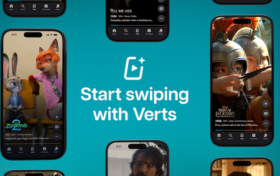
Friday March 13, 2026 IN THE NEWS Disney+ has launched vertical video offering Verts, designed to make it easier for users to find their next watch. By tapping the new Verts icon in the navigation bar on mobile, users enter a vertical video feed and can swipe through a stream of […]
Cynopsis 03/12/26: “Rick and Morty” to Return With “High-Concept Insanity”

Thursday March 12, 2026 IN THE NEWS Second-screening isn’t just a young viewer’s game anymore. More than half of US viewers ages 45–54 now watch video on their phones while the TV is on, according to a report from Omdia – up from 39% in November 2020. Viewers 55–64 aren’t channeling […]
Simplicity As Strategy: How A+E Global Media is Turning Accountability Into Competitive Advantage

A Cynopsis Message From A+E Global Media Wednesday March 11, 2026 Simplicity As Strategy: How A+E Global Media is Turning Accountability Into Competitive Advantage In a media landscape grappling with fragmentation, shifting measurement standards, and constant pressure on marketers to demonstrate a greater return on investment (ROI), A+E Global Media, with its portfolio […]
Cynopsis 03/11/26: Bon Appétit: Eva Longoria Digs Into France’s Food Legacy for CNN

Wednesday March 11, 2026 IN THE NEWS TV continues to play a powerful role in creating brand awareness and influencing consumer purchase decisions, according TVB’s 2026 Purchase Funnel Study. Key findings in the report include: · Television was the most important influencer at all stages of the purchase funnel. In the […]
Cynopsis 03/10/26: AMC Networks Hands Early Renewal to “The Audacity”

A CYNOPSIS MESSAGE FROM PREMION Tuesday March 10, 2026 IN THE NEWS AMC Networks placed an early season two order for “The Audacity.” Season one of the Silicon Valley-set, darkly comedic drama, created by Jonathan Glatzer (“Succession”), kicks off Sunday, April 12 on AMC and AMC+. Also coming back […]
CynCity
Cynsiders
March Madness Is Making DOOH a More Responsive Channel
By Luba Giglia, COO, AdOmni With the First Four tipping off Tuesday, March Madness is...The Infrastructure Battle for Walled Garden Interoperability
Who Will Own the Rails? Holding Companies, Identity Providers, and Cloud Data Platforms Build Alternative...As AI Agents Transform Digital Advertising, Where’s the Privacy Architecture?
By Rowena Lam, Senior Director of Product at IAB Tech Lab Everyone is excited about...