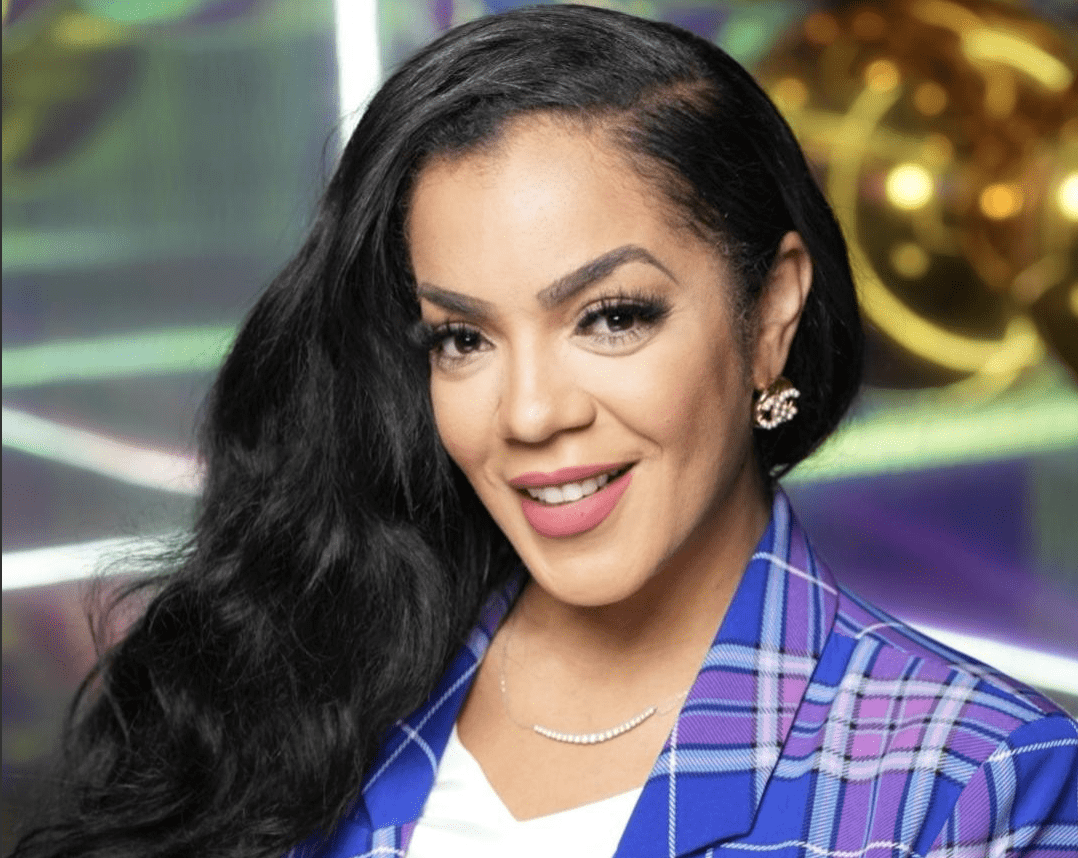
 By Crystal Foote, Founder and Head of Client Partnerships, Digital Culture Group (DCG)
For years, personalization was the ultimate promise of digital advertising: serve the right message to the right person at the right time and you win. For a while, that held true. But in today’s hyper-automated, AI-saturated marketplace, where every brand claims to “personalize” everything, relevance alone is no longer enough to break through.
The next frontier isn’t just relevance. It’s recognition.
Recognition is emotional. It’s subconscious. It’s cultural. It’s what happens when a brand doesn’t just target someone – it sees them. In a landscape where attention is fragmented, memory is currency, and consumer trust is fragile, recognition is proving far more powerful than precision.
This shift is already playing out in the wild. Gap’s recent Y2K throwback campaign – a reboot of Katseye denim and a “Milkshake” remix, did more than generate buzz. It tapped into a shared cultural moment, turning nostalgia into resonance. Banana Republic’s strategic return to its heritage safari aesthetic followed suit, reminding audiences not just of where the brand had been, but what it stood for. These weren’t just creative pivots; they were emotional resets, anchoring brand identity in memory, story, and belonging.
Today’s consumers are scanning for trust. They gravitate toward content that feels grounded and familiar, that speaks with honesty and intention, and signals clearly: This is for you, because we understand you.
Brands that win today aren’t just personalizing – they’re recognizing.
Traditional personalization depends on data signals – cookies, behaviors, and purchase history. It’s reactive. It optimizes for patterns. However, emotional resonance is proactive. It predicts what consumers are likely to feel, not just what they might do. It’s rooted in cultural fluency, values alignment, and psychological motivators that can’t be captured in a clickstream.
This raises important questions for marketers navigating an increasingly commoditized media landscape:
- Are we optimizing for action or for affinity? Short-term metrics like clicks and conversions don’t capture what makes a brand memorable or beloved. Emotional affinity builds over time and drives long-term brand equity. Campaigns that prioritize trust, identity, or emotional resonance may not always win the last-click attribution, but they build momentum that compounds. It’s not about replacing performance. It’s about expanding what performance really means.
- Are we showing up in culture or just showing up in feeds? Presence doesn’t equal participation. Flooding platforms with content doesn’t guarantee cultural relevance. Consumers notice when creative lacks context or cultural fluency. True resonance requires brands to understand not just who their audiences are, but what they care about – what aesthetics, values, and narratives they respond to. Culture isn’t a trend to tap. It’s a language to speak – authentically, consistently, and with purpose.
- Are we building recognition, not just reach? Reach is easy. Recognition is earned. It requires more than demographic targeting. It demands empathy, emotional insight, and creativity that mirrors the consumer’s world. Recognition-based campaigns are the ones that stick, not because they’re louder or cheaper or better optimized, but because they make people feel something. That feeling drives everything else.
Recognition marketing is not soft, it’s not secondary, it’s a strategic imperative. In an economy where AI can replicate any headline and generate infinite ad variations, the edge isn’t speed. It’s soul. The brands that win next won’t be the ones that automate faster. They’ll be the ones that resonate deeper.