The first episode of new Smithsonian Channel series The Lost Tapes marks the 75th anniversary of the attack on Pearl Harbor. The Lost Tapes: Pearl Harbor producer Tom Jennings, who promises “a documentary unlike any other” done about the bombing of America’s naval base, talks about taking a unique approach to historical events. Lost Tapes: Pearl Harbor premieres Sunday, December 4 at 9p.
 Cynopsis: How is this approach different from other anniversary programs?
 Tom Jennings: This program is unlike any other anniversary film about the 75th anniversary of Pearl Harbor because the film contains no narration and no interviews. Only media from the time — rare radio recordings, film footage and photographs — combine to create an immersive experience of what happened that day. Instead of being told by experts what happened and why what happened at Pearl Harbor was so important, viewers will experience the events as if they are living through them on that Sunday in 1941. The film also includes the two minutes of the only known radio broadcast to originate in Honolulu during the attack itself.
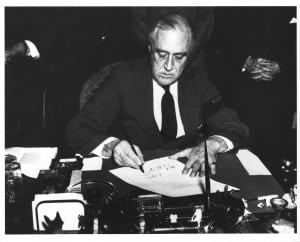
President Franklin D. Roosevelt signing the declaration of war against Japan. – National Archives and Records Administration
Jennings: Digitization. We use so many different sources of media that it would be impossible to keep everything straight — and to find the best material to help tell the story — that being able to collect and collate all the information digitally is invaluable to us. Also, computer technology that allow us to clean audiotapes and film footage. This helps bring to life sounds and pictures that would otherwise not be usable for broadcast. It gives us a chance to salvage what would otherwise be lost to history.
Cynopsis: How did you access sources that haven’t been heard from in over 70 years?
Jennings: Many of the news radio recordings we use in this film were on audiotape reels at the National Archives in Washington, D.C. These tapes had never been digitized. In order to acquire these broadcasts we sent a researcher to the Archives who digitized 10 hours of audio that had been sitting on shelves for decades. The voices of the past are now electronically stored and because of this program are no available — digitally — for anyone who would like to hear them.
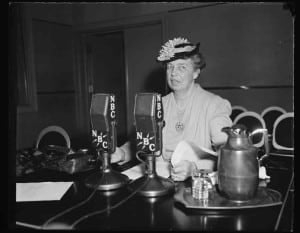
First Lady Eleanor Roosevelt
Jennings: Most people believe that President Franklin Roosevelt’s “Day of Infamy” speech was the first major statement made by a government official following the attack. However, that speech was given to Congress on December 8, the day after the bombing. The first public discussion about Pearl Harbor was made on the evening of December 7, by the president’s wife, Eleanor Roosevelt. The First Lady had a regular weekly radio broadcast in which she spoke to the nation. That broadcast happened to be on Sunday nights. So it was Mrs. Roosevelt who first addressed the nation in her radio address, saying that the day they had all feared had come — and that everyone in the nation needed to do whatever it would take to keep the United States safe.
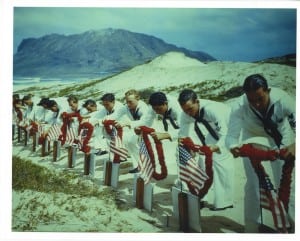
Sailors pay tribute to casualties at a Hawaiian Islands cemetery – National Archives and Records Administration
Jennings: By combing so many different media sources into a seamless narrative, this film is not like reading a history book. For the audience, it’s like being alive on that Sunday in 1941. Viewers can experience events unfolding in real time, from the dark days building up to the attack, to the attack itself and the aftermath and how the United States would react. We feel that this film is the definitive document about the Pearl Harbor attack, as experienced by those who lived through it.
The Cynsiders column is a platform for industry leaders to reach out to colleagues, followers, and the public at large. In their own words and in targeted Q&As, columnists address breaking news, issues of the day, and the larger changes going on in the ever-evolving world of television, video and digital. Cynsiders columns live on Cynopsis’ main page and are promoted across all daily newsletters. We welcome readers’ comments, queries, and column ideas at Lynn@Cynopsis.com.